In-Building Wireless · DAS / ERCES Design

When ERCES blocks occupancy, the survey moves first.

Modern building materials, underground levels, and low-E glass block macro signals indoors — creating dead zones, dropped calls, and degraded data that can stall Certificate of Occupancy when public-safety ERCES fails inspection. We deliver RF site surveys and iBwave-certified DAS design for public-safety (ERCES) and cellular in-building wireless — donor antenna selection, BDA / head-end specification, and fiber or coax distribution — across all five NYC boroughs. One accountable partner from field measurements through AHJ-ready documentation, at a fraction of what turnkey DAS agencies charge for design alone. Proven on U.S. DoD facilities where first-responder and in-building coverage must pass inspection.

  • Dead-zone mapping and multi-carrier propagation design
  • DoD facility experience — coverage built to pass inspection
  • NFPA 1225 / IFC 510 packages ready for AHJ review

How a DAS Works

From the wireless carrier signal source to every floor.

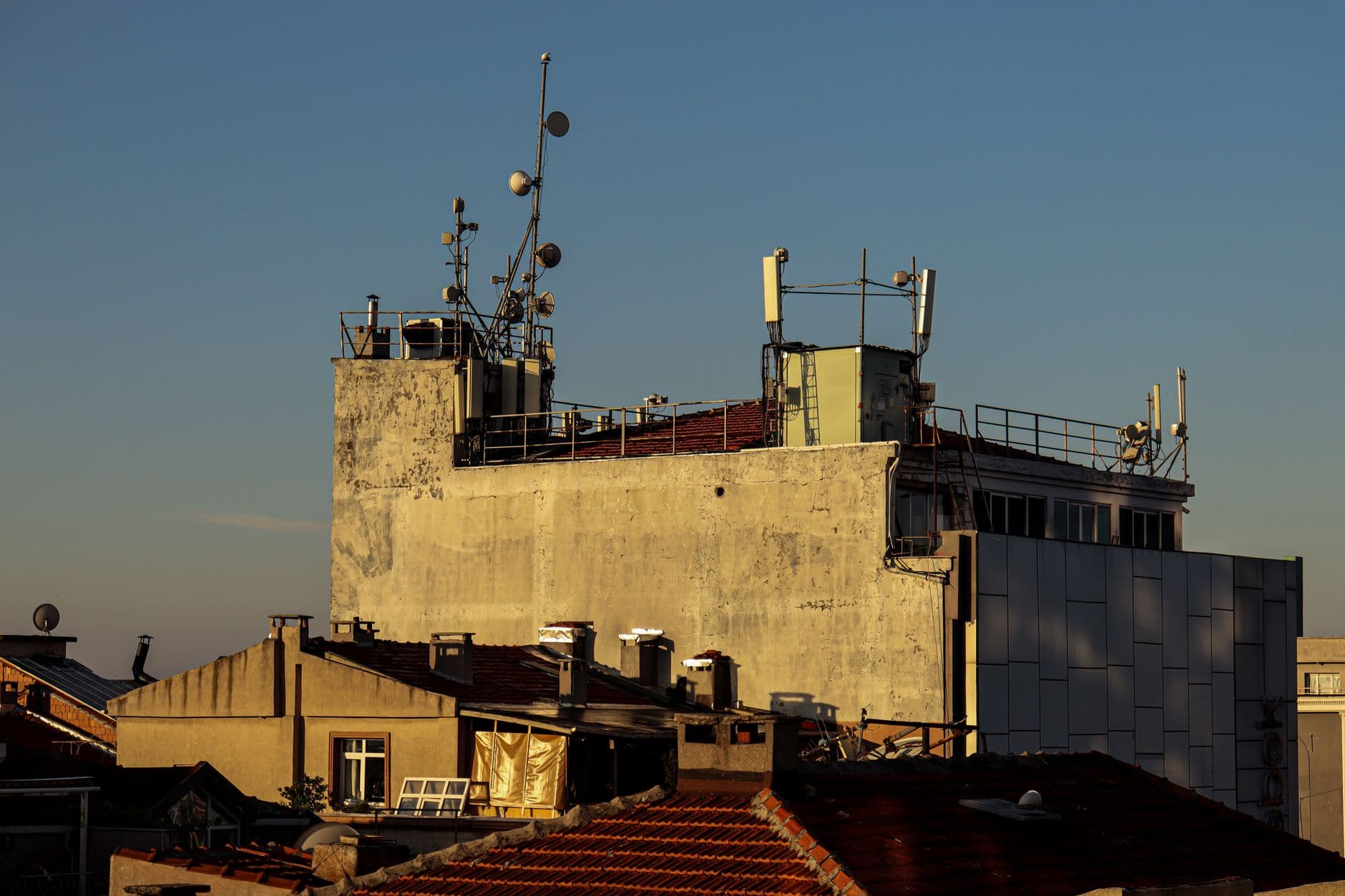
A distributed antenna system distributes RF through a network of antennas tied to a signal source — engineered for full coverage with minimal overlap and lower power draw than a single large antenna. Carrier-grade signal enters the head-end (captured off-air via donor antenna and BDA, or fed from a dedicated BTS / small cell), then travels over fiber and coax to remote units on every floor. Dead zones, dense occupancy, or ERCES for first responders — we model the full chain in iBwave so coverage and capacity hold before construction starts.

  • Donor antenna and off-air BDA signal sources
  • Head-end, remote units, and distribution design
  • Multi-carrier and multi-band (LTE / 5G) cellular support
  • Public-safety ERCES to NFPA 1225 / IFC 510

What We Design

DAS, BDA, and ERCES — engineered for coverage and code.

Whether you need ERCES for code compliance, cellular DAS for tenant and guest connectivity, or both — every project starts with measured RF data and ends with a design package owners, integrators, and the Authority Having Jurisdiction can act on. No layered hand-offs through a national turnkey agency.

RF Site Survey

On-site spectrum analysis, 20-grid signal-strength mapping, and infrastructure walk-through — cable pathways, power, and equipment space — before any antenna is specified. Enterprise buildings, mid-rise retrofits, venues, and campus additions.

iBwave-Certified Design

Propagation modeling, remote antenna unit layout, and signal-source selection (off-air BDA, dedicated BTS, or small cell) for active, passive, or hybrid DAS architectures — including multi-carrier and multi-band (LTE / 5G) where cellular coverage is in scope.

Public Safety / ERCES

Emergency Responder Communication Enhancement System design for reliable first-responder radio coverage inside the building — aligned with NFPA 1225 and IFC 510, the public-safety standards NYC AHJs enforce at inspection.

Code & Compliance

Public-safety DAS is code — not an upgrade you defer.

Emergency Responder Communication Enhancement Systems (ERCES) ensure police, fire, and EMS can communicate inside your building — enforced under NFPA 1225 and IFC 510. A failing public-safety radio test can delay your Certificate of Occupancy and trigger a corrective window from the AHJ. We help building owners and property managers move from notice to a documented design path — quickly, with field data and iBwave models behind every decision.

NFPA 1225 / IFC 510

Public-safety radio coverage standards referenced by NYC and most U.S. AHJs at plan review and inspection.

20-grid coverage testing

Minimum -95 dBm signal in 95% of the structure — validated grid by grid during survey and design.

Donor and off-air signal sources

Carrier coordination, BDA / head-end specification, and signal-source selection — multi-carrier capable where cellular DAS is in scope.

Right-sized project focus

Enterprise buildings, single-floor retrofits, mid-rise properties, and venues — scopes large turnkey firms often queue behind.

The Process

Survey. Design. AHJ hand-off.

Three phases, one partner — from AHJ notice to a buildable design package, without the subcontractor maze typical of end-to-end turnkey operators.

01Survey

On-site RF survey and infrastructure assessment

We measure existing coverage against a 20-grid pattern, document dead zones and donor signal options, and map cable pathways, power, and head-end space — the field data every credible design starts from.

02Design

iBwave propagation model and system design

Antenna count and placement, BDA / head-end specification, fiber and coax distribution, and signal-source selection — modeled in iBwave before a single remote unit is mounted.

03Hand-off

AHJ-ready documentation and owner walkthrough

Construction-ready drawings, bill of materials, and a coordinated package your integrator, general contractor, or Authority Having Jurisdiction can review without chasing multiple vendors.

One accountable DAS partner — not a national agency stack.

Large DAS firms sell turnkey install-and-operate models with enterprise overhead. We focus on what most NYC owners need first: a credible survey, an iBwave-certified design, and documentation your AHJ and integrator can use — scalable from single-floor retrofits to multi-carrier campus additions. Because we also build software and secure infrastructure, our engineering rates stay competitive without cutting corners on RF quality.

Frequently Asked Questions